Introduction
The National Impairment Insurance policy Plan (NDIS) has become an important framework for enhancing the lifestyle for people with impairments in Australia. One of one of the most essential components of client care within this system is ventilation training, which has acquired substantial traction in recent years. With the demand for certified professionals who can take care of intricate air passage and ventilation needs rising, comprehending just how NDIS ventilation training can transform patient treatment is necessary. This post will look into numerous elements of ventilation training, highlighting its effect on person outcomes and the healthcare landscape in Australia.
Understanding NDIS Ventilation Training
What is NDIS Ventilation Training?
NDIS ventilation training describes specialized education and learning developed to gear up doctor with essential skills in respiratory tract monitoring and mechanical air flow. Via structured programs, participants learn more about ventilators, including their features and setups, like ventilator stress assistance. A foundational aspect of this training is recognizing the intricacies associated with looking after people that call for aid with breathing.
Importance of Ventilation Training Courses
Ventilation training courses are vital for ensuring that healthcare professionals are capable of delivering safe and effective treatment. With conditions such as respiratory failure or chronic obstructive pulmonary condition (COPD), people usually rely upon ventilators to preserve appropriate oxygenation. By joining courses like a basic ventilator program or more detailed NDIS ventilation training programs, registered nurses ndis ventilation training and various other experts come to be proficient at handling these sophisticated medical devices.
Who Must Undergo NDIS Ventilation Training?
- Nurses: Nurses play a critical role in individual treatment, specifically in critical care unit (ICUs) where mechanical air flow is commonplace. Allied Health and wellness Professionals: Physio therapists and respiratory system therapists likewise benefit from this specialized training to boost their professional skills. Support Workers: Those working directly with clients needing assisted ventilation should be trained properly to react successfully to emergencies.
The Role of Ventilator Training for Nurses
Essential Abilities Obtained via Ventilator Training
Ventilator training programs concentrate on equipping nurses with particular competencies needed for efficient patient administration:
Airway Management: Comprehending how to establish and preserve an open airway is fundamental. Monitoring Ventilator Settings: Registered nurses learn just how to adjust ventilator settings according to real-time patient needs. Recognizing Problems: Early recognition of possible problems connected to mechanical ventilation can considerably boost outcomes.Benefits of Specialized Educating for Patient Care
The combination of ventilator training into nursing education and learning leads to enhanced client safety and security, improved communication among medical care teams, and far better total outcomes by minimizing difficulties associated with incorrect ventilator use.
Ventilator Pressure Support: What Is It?
Understanding the Principle of Pressure Support Ventilation
Pressure support ventilation (PSV) is a mode where the ventilator helps individuals by providing a pre-programmed degree of stress throughout breathing. It's specifically valuable for patients who can start their breaths yet require assist with airflow.
When Is Stress Assistance Used?
This setting is frequently used in cases such as:
- Patients recovering from surgery Individuals experiencing severe breathing distress Long-term air flow scenarios where weaning off mechanical assistance is required
Tracheostomy and Ventilator Training: An Important Combination
Why Is Tracheostomy Important?
A tracheostomy allows direct access to the airway through a laceration made in the trachea. For numerous individuals calling for lasting air flow, this procedure becomes essential when typical endotracheal intubation fails or is not feasible.
Integrating Tracheostomy Monitoring into Air Flow Courses
Courses focusing on tracheostomy management cover:
- Techniques for caring for tracheostomy tubes Emergency procedures connected to dislodgement or blockage Best methods for suctioning and maintaining air passage patency
Comprehensive Airway Administration and Ventilation Techniques
The Significance of Comprehensive Airway Management Skills
Effective airway monitoring encompasses not simply preserving patency however also ensuring that ideal oxygenation takes place throughout treatment. This includes understanding different modalities such as CPAP (Continual Positive Airway Stress) or BiPAP (Bilevel Positive Air Passage Pressure).
Key Parts Covered in Airway Management Training:
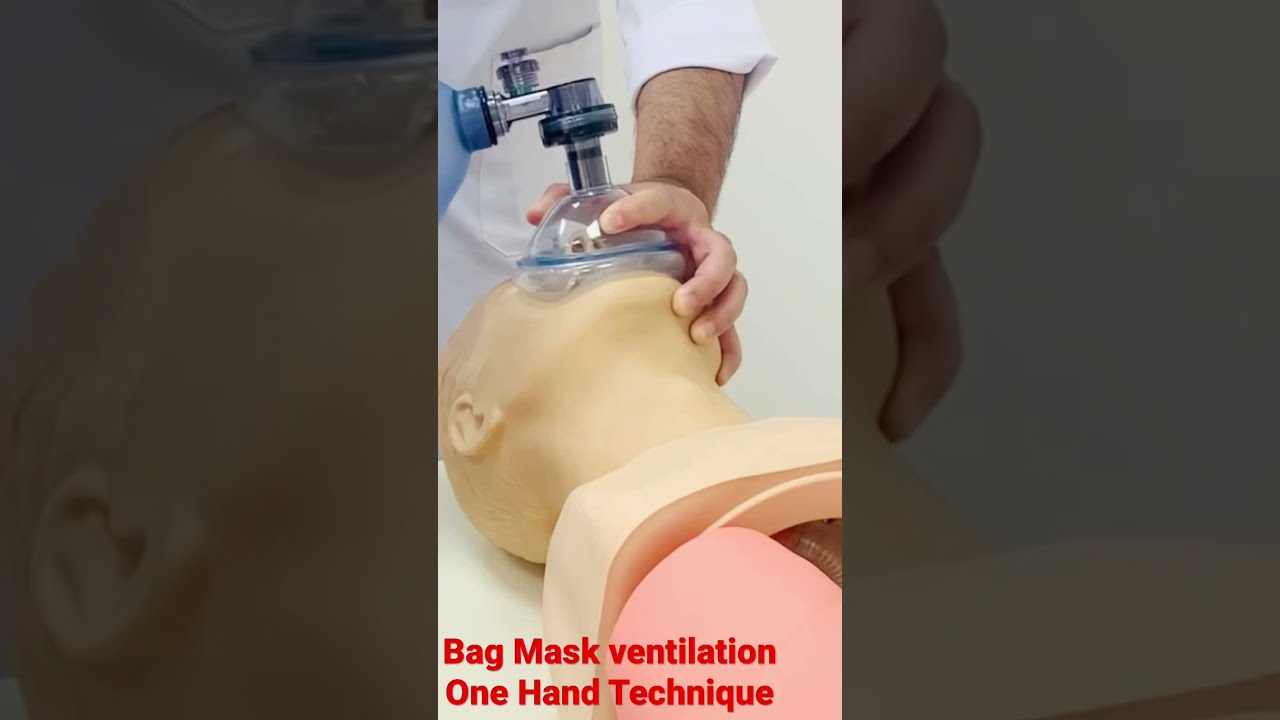
Recognizing indications of airway compromise Performing bag-mask ventilation effectively Implementing sophisticated airway strategies when necessaryNDIS Ventilation Training course: Curriculum Overview
Core Components Provided in an NDIS Ventilation Course
Introduction to Mechanical Ventilation Patient Evaluation Techniques Setting Up and Troubleshooting Equipment Ethical Considerations in Client CareHands-On Understanding Experiences
Practical sessions are integral parts of these training courses, allowing individuals to engage straight with devices under expert supervision.
Benefits of Register in an NDIS Ventilation Training Course
Enhanced Patient Outcomes via Boosted Skills
Professionals trained with certified training courses obtain abilities that straight affect patient safety and comfort levels during treatment.
Fostering Collaboration Amongst Health care Teams
Training enhances communication skills among staff member responsible for individual care, resulting in better-coordinated efforts when resolving intricate cases.
Addressing Usual Misconceptions regarding NDIS Air Flow Training
1. Isn't Any person Qualified Sufficient Already?
While many medical care workers have fundamental understanding, specialized training guarantees they are outfitted with updated practices tailored particularly in the direction of contemporary obstacles encountered throughout mechanical air flow therapy.
2. Will Training courses Be Too Time Consuming?
Many institutions supply flexible scheduling alternatives allowing professionals to balance More helpful hints work commitments while pursuing their education and learning without overwhelming themselves.
FAQs Regarding NDIS Ventilation Training
What does an NDIS air flow training course generally cover? An NDIS air flow course typically includes components on mechanical ventilators, fixing strategies, moral factors to consider around care delivery, and hands-on practice designed to develop confidence amongst participants.
How long does it take to complete an NDIS ventilation training course? The duration may vary; nonetheless, numerous programs are structured over several weeks with adaptable scheduling alternatives available relying on private needs.
Can I go after further field of expertise after finishing standard ventilator courses? Definitely! Many registered nurses pick sophisticated certifications focusing on specific areas like pediatric air vent monitoring or essential care methods after completing fundamental courses.
Are there on the internet options available? Yes! Numerous organizations now provide digital classes along with standard class settings catering toward those requiring more flexibility because of function routines or individual commitments.


Do I require previous experience prior to enrolling? While some history knowledge can be valuable, lots of courses welcome novices excited to learn about air passage management techniques despite previous direct exposure levels!
What qualifications will I gain upon completion? Individuals typically receive accreditation confirming their efficiency upon efficiently finishing all assigned coursework including functional analyses showing expertise levels achieved during hands-on sessions!
Conclusion: The Future Effect of NDIS Ventilation Training on Client Care
As we browse with the complexities bordering healthcare delivery today-- particularly worrying vulnerable populaces-- the significance put upon experienced practitioners can not be overstated! Just how NDIS ventilation training can change individual treatment in Australia lies not just within immediate benefits translucented boosted precaution however also mirrors broader adjustments occurring across systems making every effort toward enhanced general high quality criteria supported by committed specialists committed towards fostering settings favorable toward healing outcomes deserving enough for each Australian citizen deserving dignified health therapies regardless circumstance dealt with along life's trip ahead!
In recap: Spending time into durable education pathways focused around enhancing capability inevitably benefits everyone included-- from boosting private caretaker abilities right down in the direction of positively influencing collective experiences shared amongst those getting essential solutions supplied daily throughout neighborhood neighborhoods nationwide!